
Introduction
Intermittent fasting (IF) has taken the health and wellness world by storm, captivating those seeking effective ways to lose weight and improve overall well-being. Unlike traditional dieting, which often emphasizes calorie counting, intermittent fasting focuses on when you eat rather than what you eat. This shift in perspective opens up a whole new realm of possibilities. Research shows that IF can lead to significant health benefits, including improved metabolic health, enhanced cognitive function, and even longevity. By understanding the science behind intermittent fasting, we can harness its potential to transform our lives. This blog will delve into the mechanisms that make intermittent fasting effective, highlight key health benefits supported by research, and offer practical tips for getting started. Whether you’re a seasoned pro or a curious beginner, let’s explore how this powerful approach to eating can redefine your relationship with food.
Metabolic Mechanisms: Understanding How Intermittent Fasting Transforms Energy Use

Intermittent fasting triggers profound metabolic changes that help the body efficiently use energy. During fasting periods, insulin levels plummet, allowing stored fat to become an accessible fuel source. This shift encourages the body to burn fat for energy instead of relying solely on glucose. Additionally, fasting boosts the release of norepinephrine, a hormone that enhances fat breakdown. Another critical process activated by fasting is autophagy, where cells clear out damaged components, promoting cellular health and longevity. These metabolic adaptations not only aid in weight management but also enhance overall energy levels and physical performance. As we embrace this eating pattern, understanding these mechanisms can empower us to make informed choices about our health.
Health Benefits of Intermittent Fasting: Insights from Recent Scientific Studies

The health benefits of intermittent fasting extend far beyond weight loss, supported by a growing body of research. Studies reveal that IF can enhance insulin sensitivity, lowering the risk of type 2 diabetes by stabilizing blood sugar levels. It has also been linked to reductions in cholesterol and inflammatory markers, promoting heart health and lowering the risk of cardiovascular disease. Additionally, intermittent fasting appears to have protective effects on the brain, improving cognitive function and potentially reducing the risk of neurodegenerative diseases like Alzheimer’s. Animal studies even suggest that IF might extend lifespan by slowing down age-related processes. With these insights, it’s clear that intermittent fasting is a powerful tool for not just managing weight, but fostering overall health and longevity.
Practical Tips for Starting Intermittent Fasting: A Beginner’s Roadmap
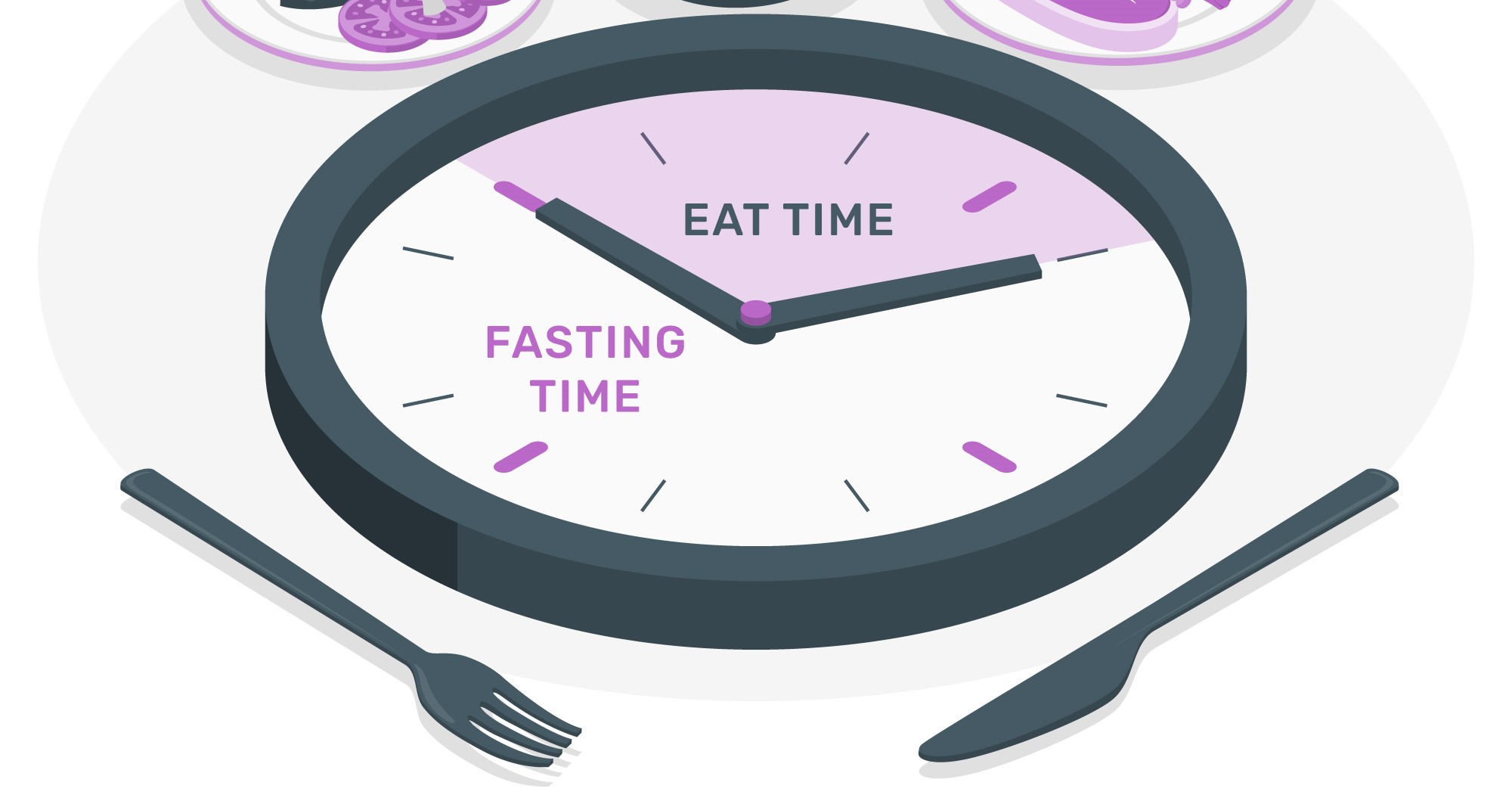
Getting started with intermittent fasting can be straightforward and rewarding with the right approach. First, choose a method that aligns with your lifestyle. The 16/8 method, where you fast for 16 hours and eat during an 8-hour window, is popular for its simplicity. Alternatively, the 5:2 approach, which allows normal eating five days a week and calorie restriction on two days, can also be effective. Hydration is key during fasting periods—water, herbal teas, and black coffee are excellent options to stave off hunger. When it’s time to eat, focus on nutrient-dense foods like vegetables, lean proteins, and healthy fats to maximize benefits. Finally, listen to your body; if you feel fatigued or unwell, don’t hesitate to adjust your approach. With patience and commitment, you can successfully integrate intermittent fasting into your routine.
Overcoming Common Challenges: How to Stick with Intermittent Fasting

While intermittent fasting offers numerous benefits, many face challenges when starting this new eating pattern. Common issues include hunger pangs, social pressures during meals, and feelings of fatigue. To overcome hunger, staying hydrated can help significantly; drinking water or herbal teas can keep you satisfied. Additionally, preparing meals in advance can make it easier to stick to your eating window without feeling deprived. Social situations may require some planning—don’t hesitate to explain your fasting approach to friends and family, or suggest alternatives that fit your eating schedule. Lastly, if you experience fatigue, it may be a sign that your body is adjusting; ensure you’re consuming enough nutrients during your eating window. With determination and strategy, these challenges can be navigated, allowing you to reap the full benefits of intermittent fasting.
Conclusion
In summary, intermittent fasting is more than a fleeting dietary trend; it’s a science-backed strategy that can significantly enhance health and well-being. By understanding the mechanisms behind its effectiveness—such as metabolic shifts and cellular repair—we can appreciate how this approach impacts our bodies. The diverse health benefits, from improved insulin sensitivity to potential longevity, make intermittent fasting an appealing option for many. However, it’s crucial to approach this method mindfully, considering your individual health needs and lifestyle. As you embark on this journey, remember that listening to your body and making adjustments is key to finding a sustainable rhythm. Whether your goal is weight loss, increased energy, or overall wellness, intermittent fasting offers a promising pathway to a healthier life.
 The Rise of Digital Activism: Social Movements in the Online Space
 The Intersection of Neuroscience and AI
 The Impact of AI on Personalized Learning