Introduction
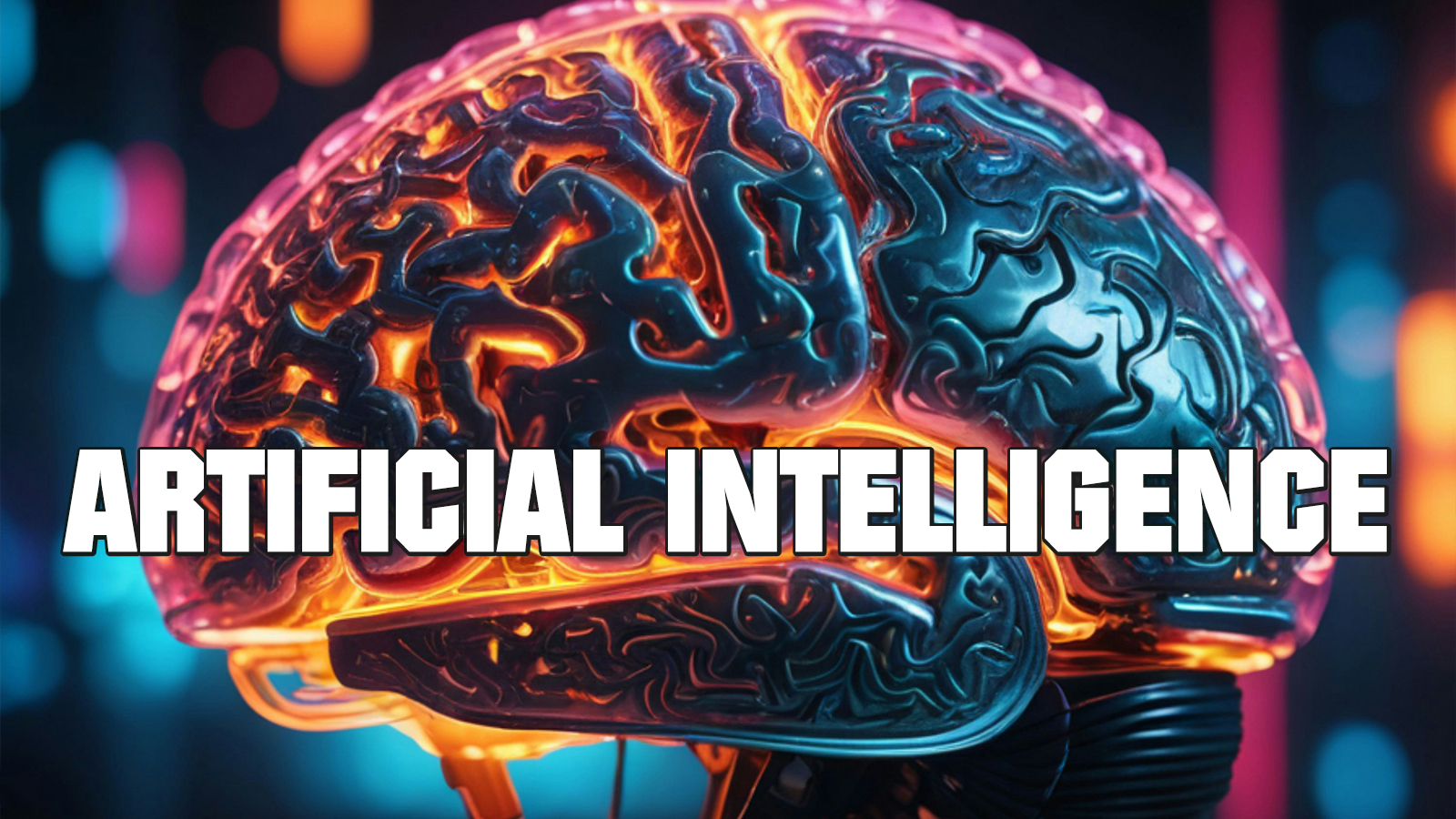
The fusion of neuroscience and artificial intelligence (AI) represents one of the most exciting frontiers in modern science. As researchers delve deeper into the complexities of the human brain, they are discovering insights that can significantly enhance AI technologies. This interdisciplinary approach not only improves our understanding of cognitive functions but also drives innovations that can revolutionize industries like healthcare, education, and even entertainment.
Neuroscience studies the intricacies of neural networks, cognitive processes, and behaviors, while AI leverages algorithms to simulate these functions. By examining how the brain learns, remembers, and processes information, scientists can develop more sophisticated AI systems that mimic human-like cognition. This synergy offers immense potential for improving mental health treatments, optimizing learning experiences, and creating intelligent systems that can adapt and evolve. In this blog, we’ll explore various aspects of this intriguing intersection and its implications for the future.
Understanding the Brain: How AI Enhances Neuroscience Research
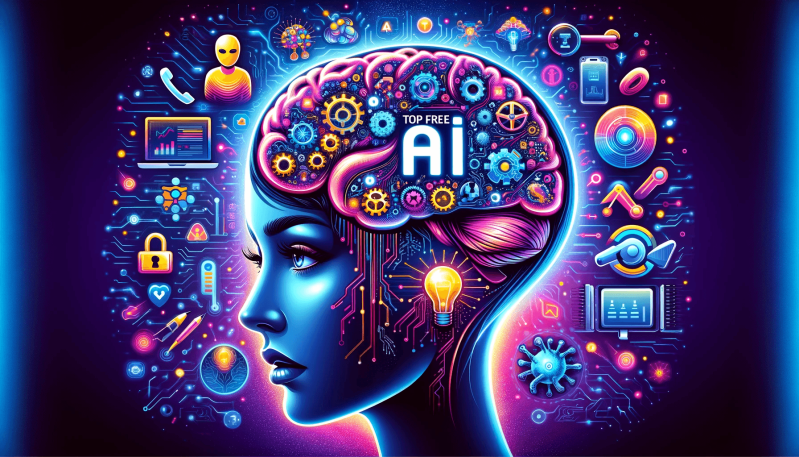
AI technologies are revolutionizing neuroscience research by enabling deeper analysis of complex brain data. Advanced machine learning algorithms can process vast amounts of neuroimaging data, identifying patterns that the human eye might miss. For example, AI tools can analyze MRI scans to detect early signs of neurodegenerative diseases like Alzheimer’s, offering insights that allow for earlier interventions.
Moreover, AI can assist in modeling brain functions, simulating how different neurons interact during specific tasks. These simulations can help researchers understand the underlying mechanisms of learning, memory, and behavior. By utilizing AI to sift through enormous datasets, neuroscientists can develop more effective hypotheses and accelerate discoveries, ultimately leading to a more nuanced understanding of the brain and its intricate workings.
AI in Mental Health: Transforming Diagnosis and Treatment
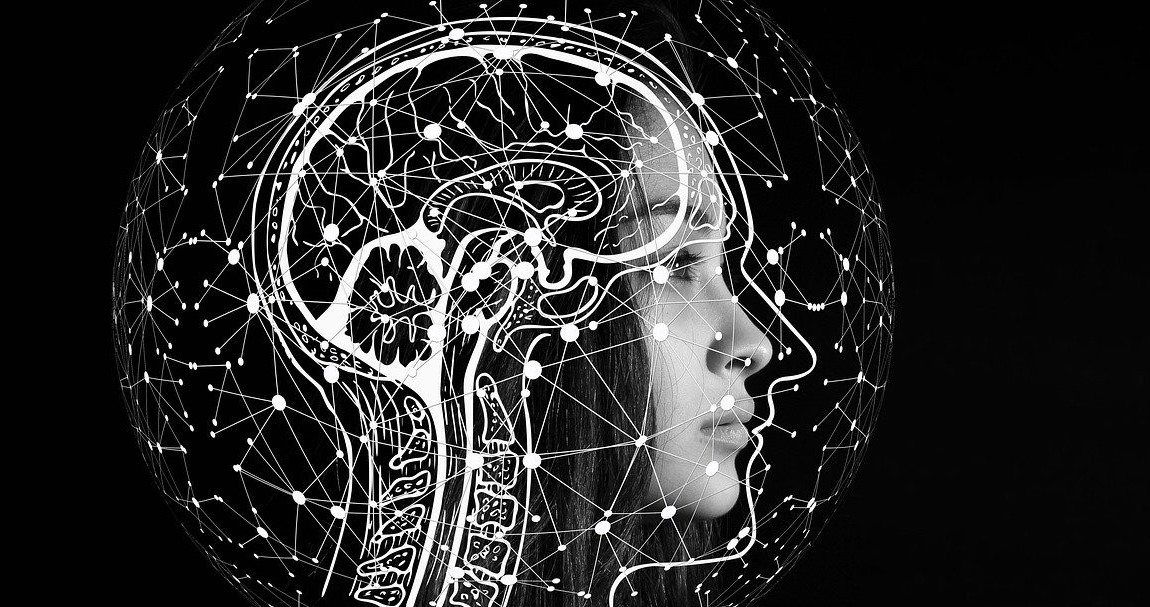
The integration of AI in mental health care is reshaping how we diagnose and treat psychological disorders. By analyzing patient data, AI algorithms can identify trends and patterns that indicate mental health issues, allowing for earlier detection and intervention. For instance, machine learning models can assess speech patterns, social media activity, and even facial expressions to predict anxiety or depression levels.
Additionally, AI-driven chatbots and virtual therapists are becoming increasingly popular in providing immediate support. These tools offer cognitive behavioral therapy techniques and can guide users through mindfulness exercises, making mental health resources more accessible. While these technologies are not a replacement for human therapists, they provide valuable support, especially for those who may feel uncomfortable seeking traditional help. This dual approach, combining human insight and AI capabilities, promises to enhance mental health care significantly.
Educational Innovations: Personalized Learning through Neuroscience-Informed AI
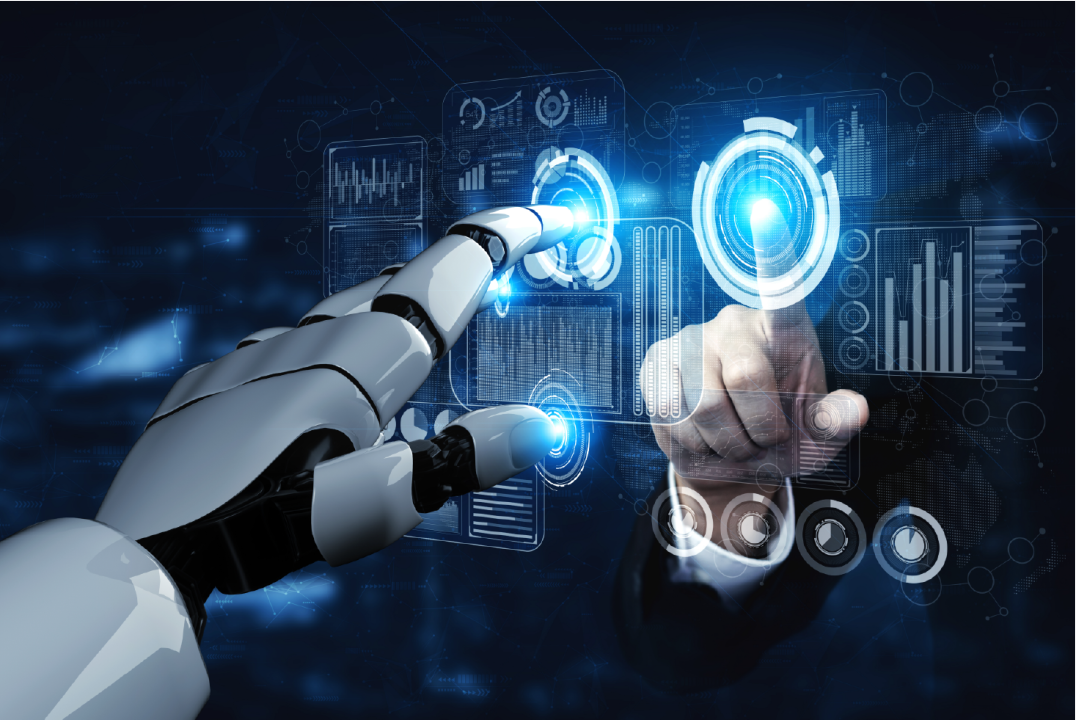
In education, the intersection of neuroscience and AI is paving the way for personalized learning experiences. By understanding how the brain processes information and retains knowledge, AI can tailor educational content to meet individual student needs. Adaptive learning platforms can assess a student’s strengths and weaknesses in real-time, offering customized resources that promote effective learning.
For example, an AI system can analyze a student’s performance in various subjects and adjust the curriculum to focus on areas that require improvement. By leveraging insights from neuroscience, these systems can incorporate techniques like spaced repetition and active recall, enhancing retention and comprehension. As a result, students can learn at their own pace, ultimately fostering a more engaging and productive educational environment.
Ethical Considerations: Navigating the Challenges at the Intersection
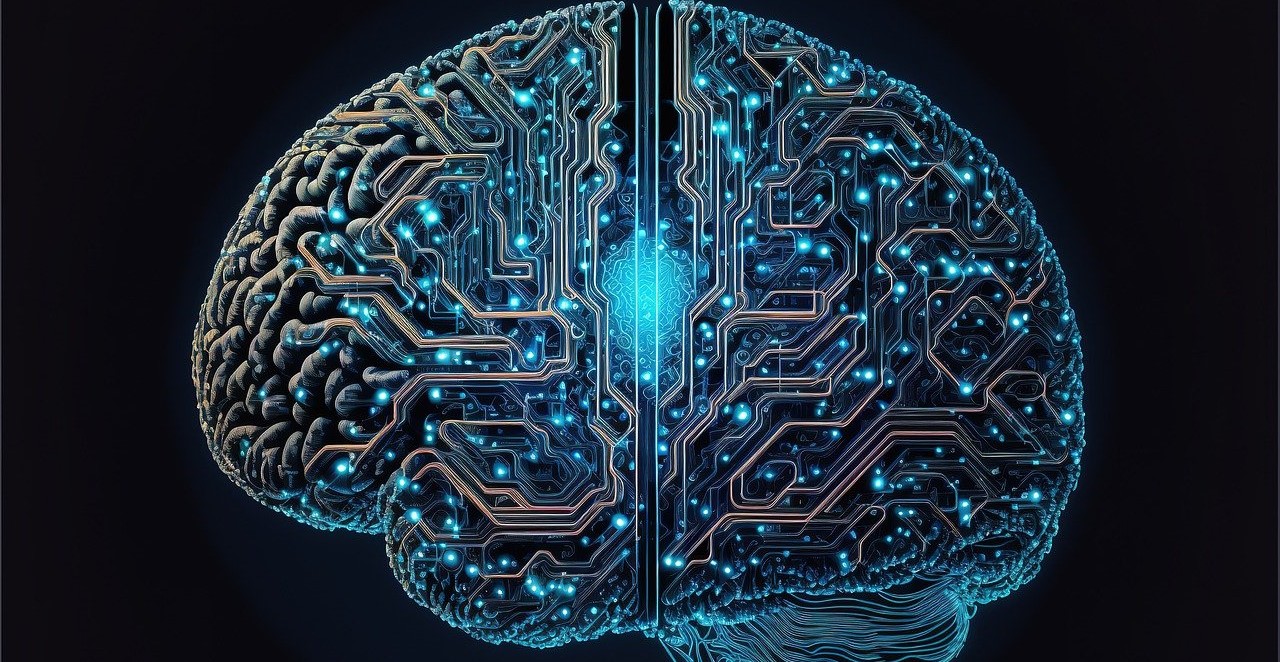
While the convergence of neuroscience and AI offers exciting possibilities, it also raises important ethical considerations. The use of AI in analyzing brain data can lead to concerns about privacy and consent. Researchers must ensure that sensitive information is handled responsibly and that individuals are fully aware of how their data will be used.
Furthermore, the potential for bias in AI algorithms presents a significant challenge. If training data does not represent diverse populations, AI systems may produce skewed results that could negatively impact marginalized groups. It is crucial for scientists and technologists to prioritize transparency and inclusivity when developing AI applications in neuroscience. By addressing these ethical challenges, we can harness the power of AI while ensuring that its benefits are equitably distributed across society.
Conclusion
The intersection of neuroscience and AI is a thrilling domain that holds the promise of transforming multiple fields, from healthcare to education. As we explore how these disciplines inform and enhance each other, we uncover new ways to understand the human brain and improve lives. By leveraging AI’s analytical capabilities alongside neuroscientific insights, we can foster advancements in mental health treatment, personalized education, and more.
However, this journey is not without its challenges. Ethical considerations around privacy, consent, and bias must remain at the forefront as we develop new technologies. By promoting responsible practices and inclusive approaches, we can ensure that the benefits of this interdisciplinary collaboration are accessible to all. The future of neuroscience and AI is bright, offering innovative solutions to some of society’s most pressing challenges.
 The Rise of Digital Activism: Social Movements in the Online Space
 The Science Behind Intermittent Fasting
 The Impact of AI on Personalized Learning