Introduction
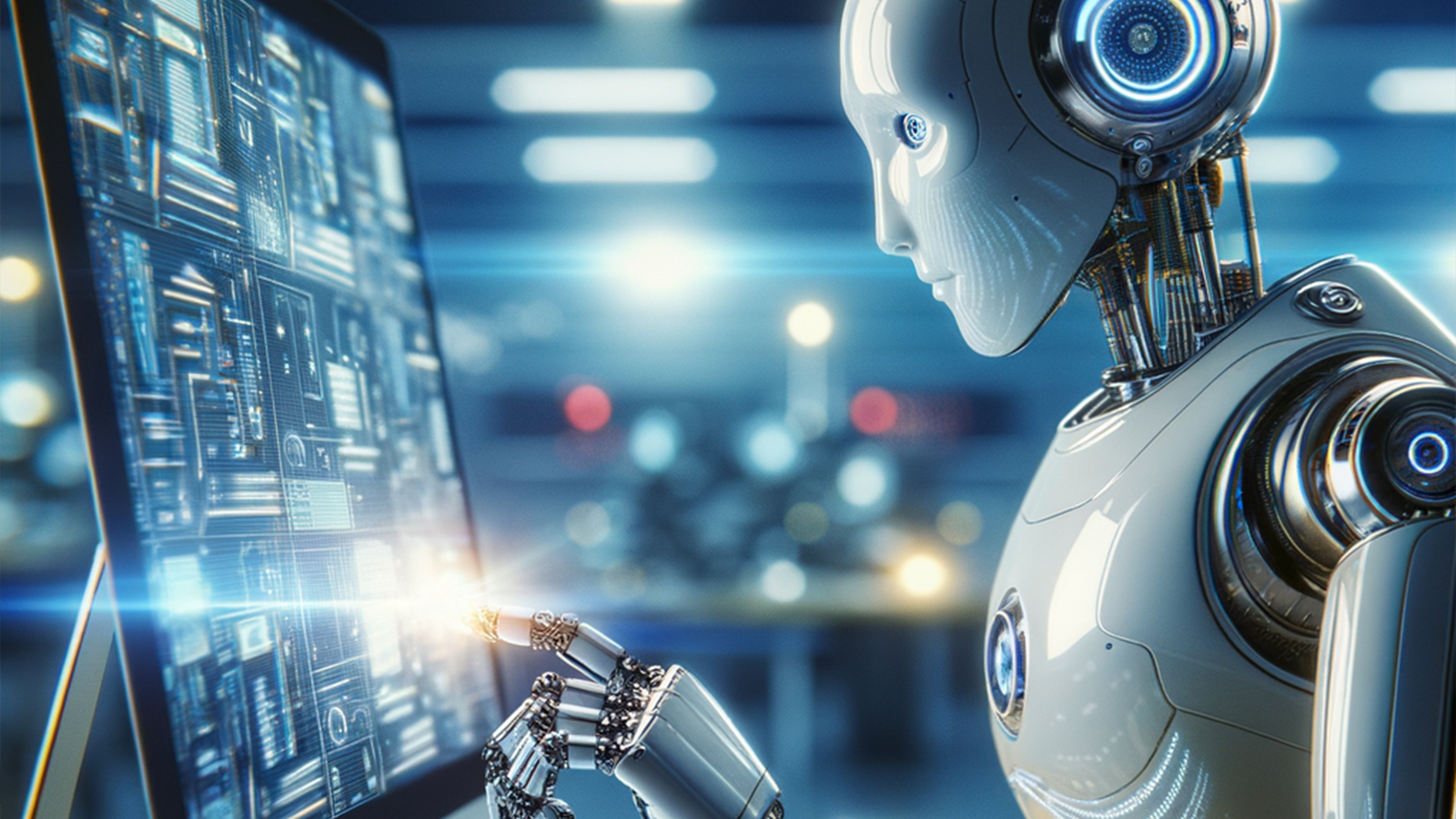
The educational landscape is undergoing a seismic shift, thanks to the integration of artificial intelligence (AI) into personalized learning environments. As classrooms become increasingly digital, AI technologies are paving the way for tailored educational experiences that prioritize individual student needs. Personalized learning allows educators to adapt their teaching methods based on each learner's unique strengths, weaknesses, and preferences, ultimately leading to improved engagement and outcomes.
Gone are the days of a one-size-fits-all approach to education. With AI, tools can analyze vast amounts of data, assessing student performance in real-time and providing insights that enable educators to make informed decisions. This personalized approach fosters a more engaging learning environment, where students can progress at their own pace. The use of AI in education isn't just about efficiency; it's about enhancing the learning experience itself, empowering students to take control of their education in ways previously unimaginable. In this blog, we’ll delve into the profound impact of AI on personalized learning, exploring its benefits, challenges, and future implications.
Tailoring Learning Experiences: How AI Adapts to Individual Needs
AI technologies are revolutionizing the way educators tailor learning experiences. By analyzing data from student interactions, AI can identify individual learning styles, preferences, and gaps in knowledge. This capability allows educational platforms to create customized lesson plans that cater to each student’s needs. For example, an AI-powered system can suggest specific resources, activities, and assessments that align with a student’s learning pace and style.
Moreover, these systems can offer real-time feedback, helping students understand their mistakes and providing alternative pathways for mastery. As a result, students no longer have to wait for a scheduled one-on-one session with a teacher to receive personalized guidance. Instead, they can engage with adaptive learning tools that respond instantly to their queries, providing explanations and resources tailored specifically for them. This level of personalization fosters greater motivation and accountability, as students feel more connected to their learning process. In essence, AI empowers educators to focus on mentorship and guidance rather than rote instruction, creating a more dynamic and responsive educational environment.
Overcoming Challenges: The Role of AI in Addressing Educational Inequities
While the potential of AI in personalized learning is immense, it also raises questions about equity and access. Many schools, particularly those in underfunded areas, may struggle to implement these advanced technologies. Without proper infrastructure, the benefits of AI could widen the existing educational gap rather than bridge it. However, innovative solutions are emerging to address these challenges.
One promising approach is the development of low-cost AI tools that can be deployed in resource-limited settings. These tools can offer personalized learning experiences to students who might not have access to traditional educational resources. Additionally, AI can help identify at-risk students and provide targeted interventions, ensuring that no child is left behind.
By leveraging AI in this way, educators can enhance equity in education, making personalized learning accessible to a broader range of students. Furthermore, as technology continues to evolve, we can expect to see more initiatives aimed at democratizing access to AI-powered educational tools. The challenge lies not just in implementation but in ensuring that these advancements are inclusive and beneficial for all learners.
Conclusion
The impact of AI on personalized learning is profound, offering an unprecedented opportunity to transform education into a more tailored and engaging experience. As we’ve explored, AI can adapt to individual learning needs, providing students with the resources and support they require to thrive. This shift not only enhances student engagement but also empowers educators to focus on fostering critical thinking and creativity.
However, as we embrace these technological advancements, it is crucial to remain vigilant about the challenges they present. Ensuring equitable access to AI tools is essential for closing the educational gap and providing all students with the opportunities they deserve. As we move forward, a collaborative effort among educators, technologists, and policymakers will be vital to harnessing AI's full potential while prioritizing inclusivity and accessibility.
In conclusion, the future of personalized learning looks bright, thanks to the transformative power of AI. With thoughtful implementation and a commitment to equity, we can create an educational landscape where every learner is empowered to reach their full potential.
 The Rise of Digital Activism: Social Movements in the Online Space
 The Science Behind Intermittent Fasting
 The Intersection of Neuroscience and AI