TREE PLANTATION PROGRAM (TPP)
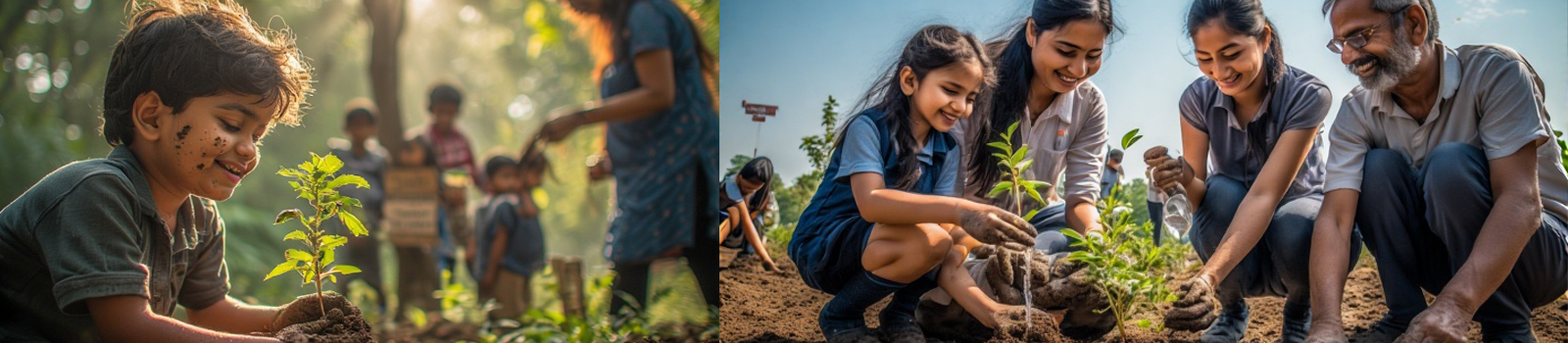
The Tree Plantation Program aim to combat environmental degradation and promote sustainable practices by planting and nurturing trees across urban, rural, and community spaces.
The Tree Plantation Program aim to combat environmental degradation and promote sustainable practices by planting and nurturing trees across urban, rural, and community spaces.
The Program focuses on enhancing green cover, promoting biodiversity, and combating climate change. In addition to improving environmental conditions, the scheme seeks to raise awareness about the importance of trees and sustainable development practices. This program empowers local communities, schools, and organizations to take part in planting and caring for trees, creating a cleaner and greener future for generations to come.
Residents of urban, semi-urban, and rural areas, including marginalized communities, who can directly benefit from increased green cover and improved environmental conditions.
Students and staff who can participate in tree planting and educational activities related to environmental sustainability.
Groups involved in environmental conservation, who can help in organizing and supporting tree planting campaigns.
Municipalities, panchayats, and other local government bodies that can provide the necessary permissions and resources for large-scale plantation activities.
Organizations that want to contribute to environmental sustainability and corporate social responsibility (CSR) by supporting tree planting program.
Communities in rural areas who can benefit from afforestation and reforestation to improve local ecosystems and reduce soil erosion.
To promote environmental sustainability and combat climate change by encouraging tree plantation, enhancing green cover, and involving local communities and students in tree nurturing activities.
Conduct awareness programs in schools, local communities, and partner with NGOs to spread knowledge about the benefits of tree plantation and its environmental importance.
Identify suitable locations for plantation, such as schools, parks, roadsides, and collaborate with local government and NGOs to secure permissions and resources.
Procure native saplings, and organize community tree-planting events involving students, teachers, and local residents for hands-on involvement in the plantation process.
Ensure the growth and survival of trees by organizing regular community-based monitoring and maintenance activities. Local residents and students will play an active role in taking care of the trees.
Conduct workshops in schools and communities to educate participants on the environmental benefits of tree planting, biodiversity, and climate change mitigation.
Evaluate the environmental impact of the plantation through air quality measurements, increased green cover, and community involvement feedback, and generate reports to track progress.
| Budget Category | Activity Description | % of Total Budget |
|---|---|---|
| Awareness Campaigns | Organizing workshops, awareness drives, and community outreach programs to engage local communities and promote environmental awareness. | 20% |
| Site Selection & Partnerships | Identifying suitable locations for tree plantation, collaborating with local authorities, and establishing partnerships with environmental NGOs. | 15% |
| Procurement & Planting of Saplings | Purchasing saplings, tools, and equipment, followed by the plantation process, ensuring proper care during initial growth. | 30% |
| Monitoring & Maintenance | Ongoing monitoring of planted saplings, including watering, fertilization, and general maintenance to ensure tree survival and growth. | 10% |
| Educational Workshops | Conducting workshops in schools and communities about tree plantation, its importance, and how to care for the environment. | 15% |
| Impact Assessment & Reporting | Evaluating the success of the plantation program, documenting the impact, and generating reports for stakeholders and future initiatives. | 10% |
| Total | All activities are part of the comprehensive budget allocation for the Program | 100% |
The Tree Plantation Program will contribute significantly to improving air quality, reducing pollution, and combating climate change by increasing green cover in rural and underserved areas.
Through awareness campaigns and educational workshops, the initiative will foster a greater understanding of environmental conservation among local communities, especially in schools and youth groups.
Planting trees will enhance biodiversity and create habitats for local wildlife, improving the overall ecosystem health and stability in the region.
Increased tree cover will improve mental and physical health by providing cleaner air, reducing stress, and offering shaded areas for recreational activities.
Involving local communities, especially youth and women, in tree plantation efforts will create a sense of ownership and responsibility, empowering them to take charge of their environmental future.
Over time, the trees planted will sequester carbon, restore soil health, and prevent erosion, contributing to long-term environmental sustainability for future generations.
The Tree Plantation Program aims to address critical environmental challenges in rural and underserved areas by improving air quality, enhancing biodiversity, and fostering community engagement in sustainable practices. Through education, active participation, and strategic planting efforts, this initiative will contribute to long-term environmental sustainability and empower local communities to take ownership of their ecological future.
By focusing on reforestation and creating greener, healthier environments, the program will not only combat the effects of climate change but also provide tangible benefits to the health and well-being of individuals, especially in areas most vulnerable to environmental degradation.